

Graphic design breaks down into seven widely recognized types: visual identity, marketing and advertising, user interface, publication, packaging, motion, and environmental design. Most working designers specialize in one or two rather than all seven — and knowing which type a project actually needs is the first step to hiring the right person or briefing an agency correctly.
1. Visual identity design
This is brand-building at its core: logos, color palettes, typography systems, and the guidelines that keep them consistent everywhere they’re used. Visual identity design is what makes a business instantly recognizable regardless of which channel someone encounters it on. It’s usually the first type of design a new business needs, and the foundation every other type on this list builds on.
2. Marketing and advertising design
Social media graphics, digital ad creative, email banners, flyers, and print ads all fall here. The job is different from visual identity: instead of building long-term recognition, marketing design has one job — get attention and drive a specific action, fast, within whatever the platform’s constraints are (a 3-second scroll, a banner ad’s dimensions, a print flyer’s format).
3. User interface (UI) design
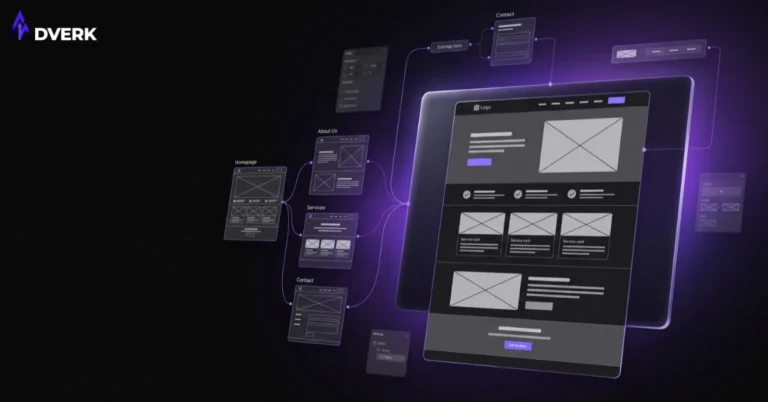
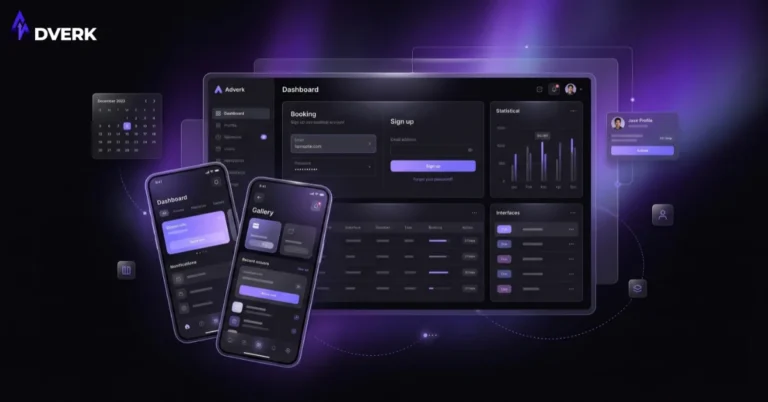
UI design shapes how people interact with websites, apps, and software — buttons, forms, navigation, layout. It sits closer to product and UX than traditional graphic design, but the same fundamentals (hierarchy, contrast, alignment) apply directly. Good UI design is often invisible: users don’t notice it when it works, only when it doesn’t.
4. Publication design

Magazines, books, reports, newsletters, and brochures are publication design’s territory — any project centered on organizing large amounts of text and image content into a readable, navigable structure across multiple pages. Grid systems and typographic hierarchy matter more here than almost anywhere else, since the reader is moving through dozens of pages, not one screen.
5. Packaging design
Packaging has to work as physical object, shelf-standout, and brand carrier all at once — often competing directly against other products in the same physical space. It also comes with constraints none of the other types deal with: print production methods, material choices, die-lines, and regulatory or ingredient-label requirements depending on the industry.
6. Motion graphics design
Animated logos, video titles, social media motion content, and explainer video graphics all fall under motion design. It borrows from every other type on this list — typography, color, hierarchy — and adds timing and movement as an additional design variable. Demand for this type has grown fastest in recent years alongside video-first social platforms.
7. Environmental design
Signage, wayfinding systems, exhibition displays, and branded physical spaces (retail interiors, office branding) make up environmental design. It’s the least common type for most small and mid-sized businesses to need directly, but it matters for anyone with a physical location, storefront, or event presence.
Why this categorization matters
Most real projects don’t fall neatly into just one type — a product launch might need visual identity work, marketing creative, and packaging together. But knowing the seven types helps you brief a designer or agency accurately, and helps you recognize when a project is stalling because it’s actually two different types of design being treated as one task. If your business currently only has one of the seven in place —
Frequently Asked Questions
Do I need a different designer for each of the seven types?
Not necessarily — many designers and agencies cover several related types (visual identity, marketing design, and packaging often overlap in one person’s skill set), but highly specialized types like motion or environmental design more often need a dedicated specialist. The safer approach is asking directly what a designer or agency actually delivers before assuming coverage.
Which type of graphic design should a new business invest in first?
Visual identity design almost always comes first, since it’s the foundation every other type builds on — marketing creative, packaging, and UI work all need a consistent logo, color palette, and typography system to draw from.
Is UI design really graphic design, or is it a separate field?
It’s closely related but distinct — UI design applies the same visual fundamentals (hierarchy, contrast, alignment) but is specifically concerned with how people interact with a product, not just how something looks. Many designers cross over between the two, but they’re evaluated by different standards: usability for UI, visual impact for traditional graphic design.
Can one project need more than one type of graphic design at once?
Yes, and it’s actually the norm rather than the exception — a product launch typically needs visual identity work, marketing creative, and often packaging design together, coordinated so they don’t look like they came from different sources.
How do I know which type my business is currently missing?
Most small businesses have visual identity in place (a logo) but improvise everything else around it. If your marketing materials, packaging, or digital presence look inconsistent with each other, that gap between identity and everything else is usually the place to start.
usually a logo, with everything else improvised around it — that’s often the gap worth closing first.
Adverk’s graphic design services cover visual identity, marketing creative, packaging, and social graphics under one roof, so these types work together instead of looking like they came from different sources. Book a free consultation to talk through which type your business actually needs right now.