
The right web design agency for your business is the one whose portfolio and process match the kind of site you actually need — not the one with the lowest quote or the flashiest homepage. Before you sign anything, you need proof they can build sites that convert, not just look polished, plus a clear, written understanding of what’s included and who owns the final files once the project ends. This guide walks through how to evaluate that, step by step, for the Pakistani market specifically.
Get Clear on What You Need Before You Take Any Calls
Most businesses start collecting quotes before they’ve actually defined the project, which makes every proposal impossible to compare fairly. Before you contact anyone, write down:
- What kind of site this is — a brochure site, an online store, a landing page for a campaign, or a full rebuild of an existing site
- The main goal: more inquiries, more online sales, or simply a site that looks credible when someone checks you out
- A realistic budget range, and whether that includes content, photography, and ongoing hosting or just design and build
- Your target launch date, and how firm it actually is
If you’re not sure whether you need a full rebuild or just targeted fixes, it helps to work through the common signs your website needs a redesign before you start collecting quotes — it changes both the scope you should be asking for and what a fair price looks like.
Agency, Freelancer, or Platform Builder — Which Fits Your Stage?
“Web design” gets used for a few very different setups, and picking the wrong one for your stage of business is a common, avoidable mistake:
- Agencies bring a team, a repeatable process, and someone accountable if a developer or designer leaves mid-project — useful once your site is a serious part of how the business gets customers.
- Freelancers can be more cost-effective for a simple, well-defined site, but a solo provider is a single point of failure if they get busy, sick, or unresponsive mid-build.
- DIY platform builders are fine for a very small budget or a placeholder presence, but they limit custom functionality and often become the thing you outgrow within a year.
If what you actually need is a custom-built platform or an online store rather than a design refresh, it’s worth reading how to approach choosing a web development company in Pakistan alongside this guide — design and development are related decisions, but they’re not the same hire.
What a Strong Portfolio Actually Tells You
Screenshots on a portfolio page are easy to make look good. Before you’re impressed, check the sites live: how they load on your phone, whether navigation is obvious in the first few seconds, and whether the design still holds up outside the cropped hero image shown in the case study. Ask for one or two examples close to your industry or project size — a portfolio full of large e-commerce builds doesn’t tell you much about how an agency will handle a five-page service business site, and the reverse is also true.
Signals That Actually Reveal Design Competence
Sales pages all sound similar. These signals are harder to fake:
- They ask about your business before proposing a solution. A quote that arrives before any real conversation about your goals is usually a templated package, not a plan.
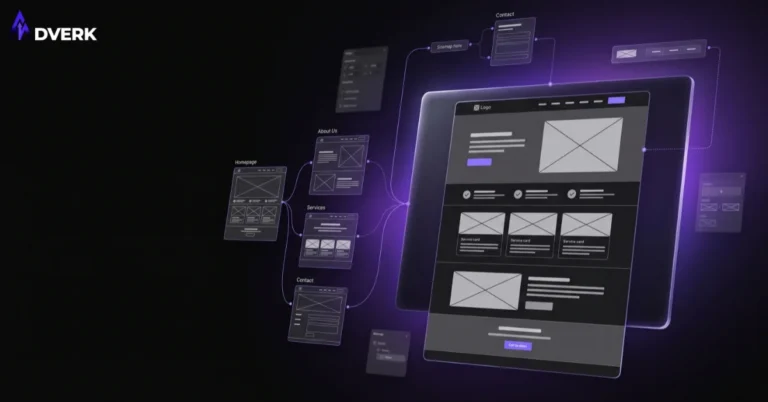
- They show you a process, not just finished screens. Wireframes, a revision structure, and some form of testing before launch — not just “we’ll design it and send it over.”
- They bring up mobile experience and page speed unprompted. Most traffic in Pakistan is mobile-first; an agency that doesn’t lead with that hasn’t thought about how the site will actually be used.
- They can explain a design decision, not just describe it. Ask why a layout is structured the way it is — a real answer will be about user behavior, not aesthetics alone.
- Their own website and communication reflect the quality they’re selling you. It’s a reasonable, fair signal — not a guarantee, but worth noticing.
- They’re upfront about what isn’t included. Copywriting, professional photography, and SEO are often separate line items — an agency that’s vague about this now will be vague about it on your invoice.
Questions Worth Asking Before You Sign
- How many rounds of revisions are included, and what happens if we need more?
- Who owns the final design files and site code once the project is complete?
- Will we be able to edit the site ourselves afterward, or are we dependent on you for every change?
- What’s a realistic timeline from kickoff to launch for a project like ours?
- Do you provide copywriting and images, or do we need to supply them?
- What support or maintenance is available after launch, and is it included or billed separately?
Red Flags That Should End the Conversation
- No live examples of past work — only static mockups or screenshots
- A vague scope of work that isn’t written down before you’re asked to pay
- Reluctance to say clearly who owns the files and code once the project ends
- Pressure to pay the full amount upfront with no milestone-based structure
- No mention of mobile responsiveness, page speed, or basic on-page SEO at any point
What Actually Drives the Cost
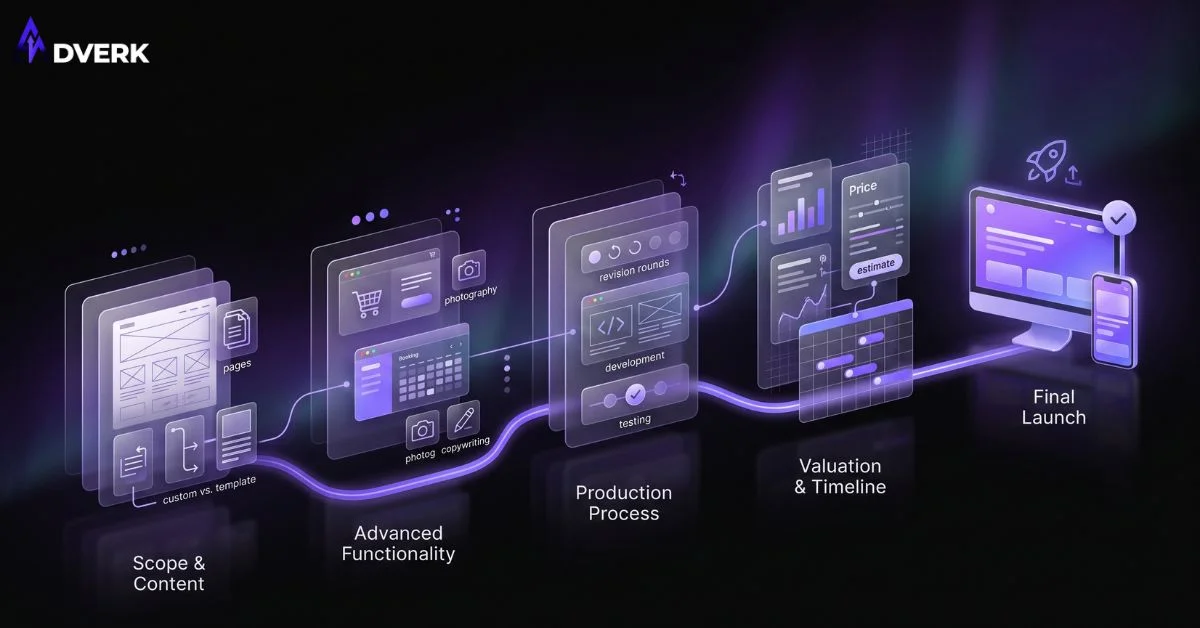
Web design pricing in Pakistan varies widely because projects aren’t standard units — a five-page brochure site and a custom-built online store aren’t comparable line items, even though both get quoted as “a website.” Rather than anchoring on a number you’ve seen online, ask each agency to break down cost by page count and complexity, custom design versus a customized template, e-commerce or booking functionality if you need it, and whether copywriting, photography, and post-launch support are bundled or billed separately. A transparent breakdown, even a wide one, tells you more than a single flat quote ever will.
What a Healthy Project Timeline Looks Like
A well-run web design project usually follows a recognizable shape: discovery and content planning first, wireframes and structure before any visual design starts, design mockups with a defined number of revision rounds, then development, testing across devices, and launch. If an agency can’t describe something resembling this when you ask, that’s a planning gap worth probing before you commit — not something to assume will sort itself out once work begins.
Frequently Asked Questions
How long does a website project typically take in Pakistan?
A straightforward brochure site can often launch in a few weeks once content is ready; a custom design or e-commerce build with several rounds of revisions typically takes longer. The biggest variable is usually how quickly the client side can supply content and feedback, not the agency’s calendar.
Is it better to hire a web design agency or a freelancer for a small business?
It depends on how defined your project is and how much risk you can absorb if one person becomes unavailable mid-build. A well-scoped, simple site can work fine with a good freelancer; anything central to how you generate business benefits from the accountability and continuity an agency provides.
What should be in writing before I pay a deposit?
Scope of work, number of revision rounds, timeline, what’s included versus billed separately, and confirmation that you’ll own the design files and code once the project is paid for and complete.
What if I have a very tight budget — should I skip agencies and hire a freelancer entirely?
A tight budget makes a freelancer worth considering, but it doesn’t remove the need to check the same things you’d check with an agency: a real portfolio of live sites, clear scope in writing, and confirmed file ownership. Budget constraints don’t lower the bar for those basics, they just narrow who can deliver within it.
If you’re weighing this decision for your own business, a useful next step is a conversation that starts with your goals rather than a template pitch — you can book a free consultation to talk through what your site actually needs. And if marketing is part of the same decision, the same evaluation instincts apply when choosing a digital marketing agency in Pakistan — ask about process and ownership before you ask about price.